You can walk into any coffee shop or coworking space and you will notice that there is a hum of conversation, clicking of a mouse, clanking of keyboards, and relaxing music in the background. Contrary to outdated design norms, the most inclusive and calming spaces aren’t the quietest. They’re the ones that treat sound with intention.
The idea of “noise-friendly” environments is not about adding more sound. It is actually about creating spaces that embrace noise as a tool and not a nuisance. Instead of giving some negativity to the concept of noise, why not shape it and make it functional and inclusive?
Quiet Isn't Always Peace
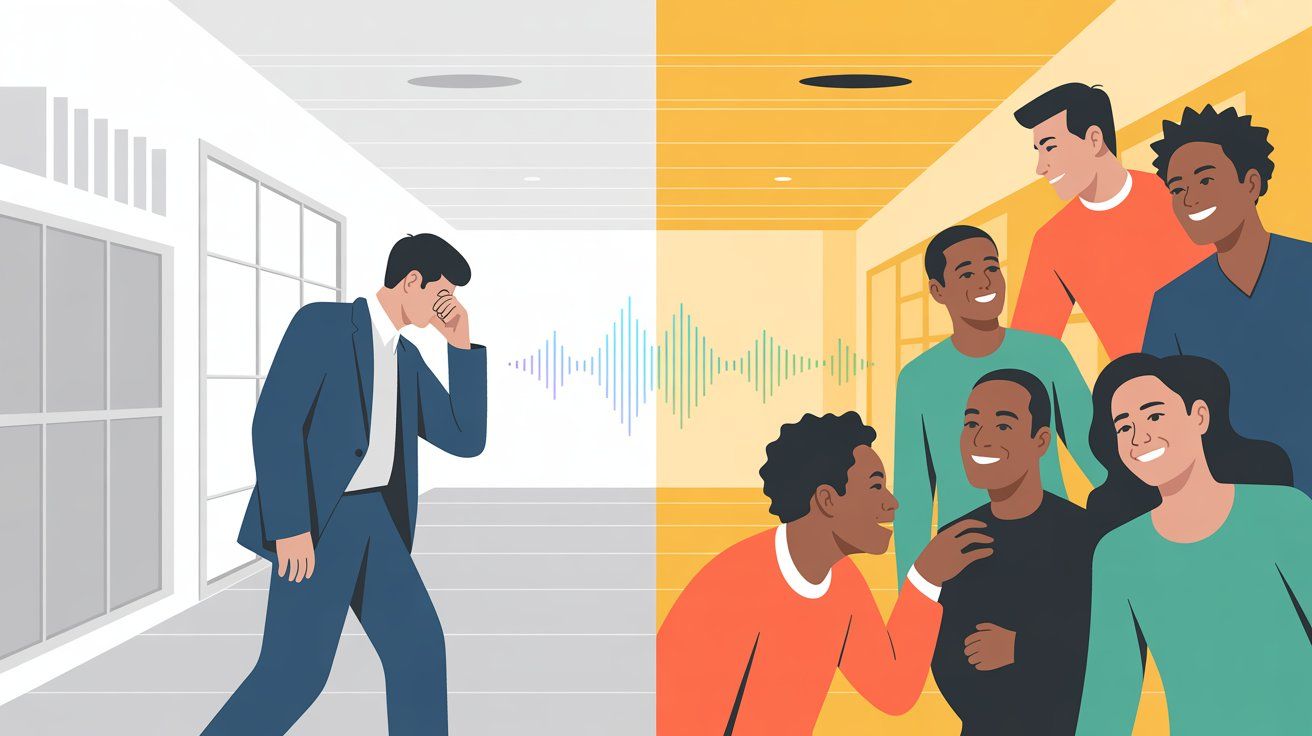
We often associate silence with serenity or productivity. But in reality, silence can feel sterile, oppressive and even unsettling. Over-soundproofed spaces may feel sterile or unnatural, while inconsistent or unpredictable noise can lead to anxiety, distraction, and stress. Sound affects us neurologically, emotionally, and physically. And yet, while architects fascinate over light, layout, and visuals, acoustics are too often an afterthought. If we want to create spaces where people thrive, we need to design with our ears as much as our eyes.
Noise-Friendly = People-Friendly
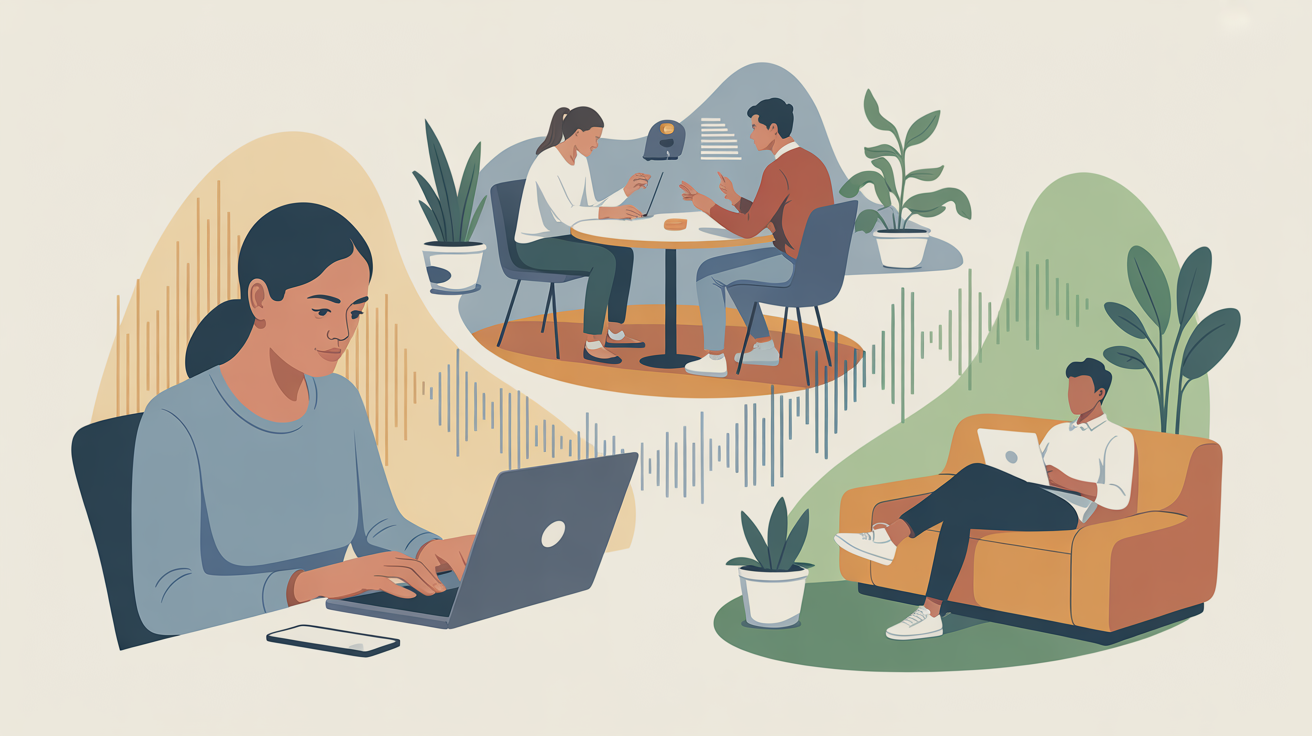
A noise-friendly space is, at its core, a people-friendly space. It considers how sound works for people, not against them. In libraries, that might mean soft sound zones instead of blanket silence. In co-living homes, it could mean shared areas with low-level music or white noise to help mask distractions and foster comfort. Offices are increasingly adopting acoustic zoning best practices: quiet areas for deep work, active zones for team collaborations, and wellness areas with calming ambient sound for serenity. Research confirms that noise is the #1 complaint in workplaces, more important to employees than cleanliness, furniture, or temperature.
But noise-friendly design isn't just about productivity, it's about inclusivity. For neurodivergent people, overly quiet environments may trigger discomfort or disorientation. People with hearing impairments may struggle in sound-deadened spaces where even footsteps become distracting. Research shows that 15-20% of people are neurodivergent, yet traditional workplace design often overlooks their specific acoustic needs. A noise-friendly space accommodates different needs through choice, flexibility, and variety. Neurodivergent-friendly workplace strategies recognise that designing sensory-aware environments supports everyone, as not everyone knows they are neurodivergent.
Sound, Culture, and Context
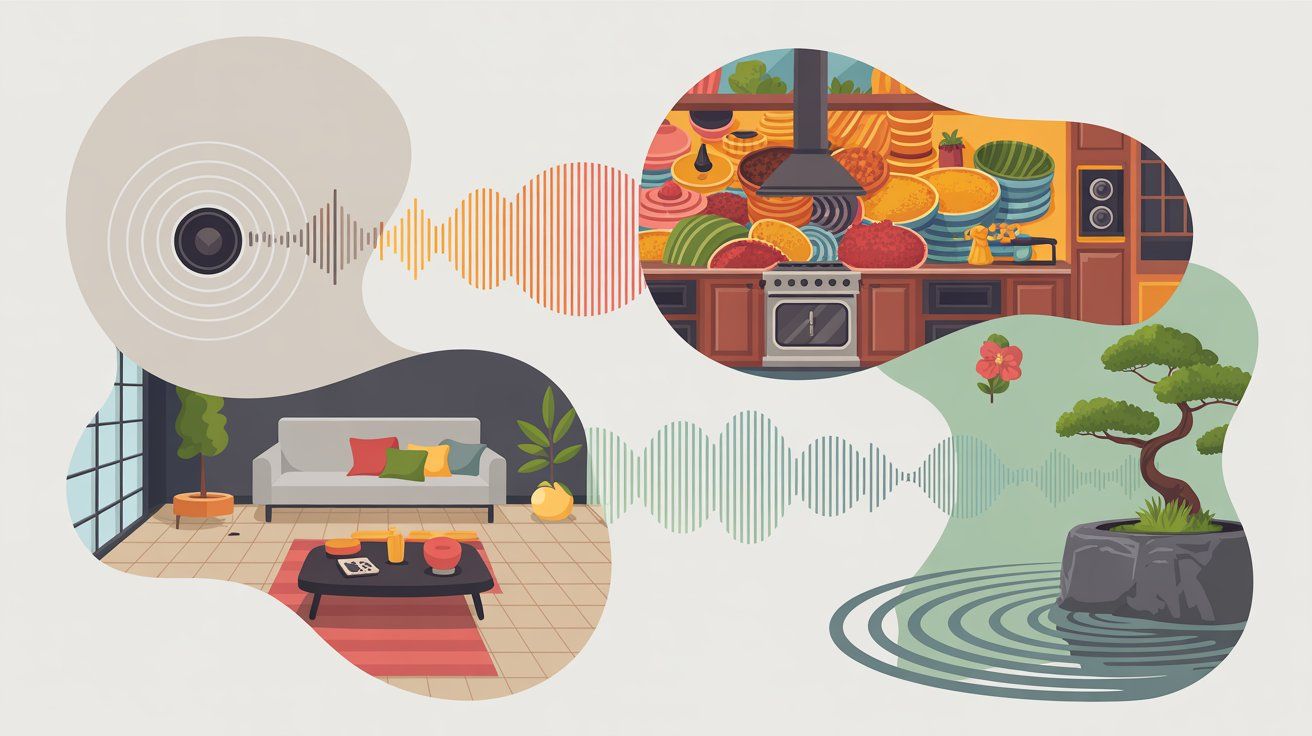
Sound is deeply cultural. What’s considered disruptive in a Scandinavian design studio might feel perfectly normal in a Latin American family kitchen. This means designers need to think contextually. In Japan, calming water sounds are usually connected to public toilets and parks. In Nairobi, open markets use layered sound to signal flow and rhythm. Rather than aiming for a universal standard of quiet, we should aim for environments that reflect the people who use and understand them.
Practical Strategies for Noise-Friendly Design
Noise-friendly does not mean loud. It means thoughtful. It means:
- Designing for modulation, where sound adapts to the time of day or space function
- Offering acoustic variety within the same building or room
- Using soft materials that absorb harsh sounds without eliminating ambience
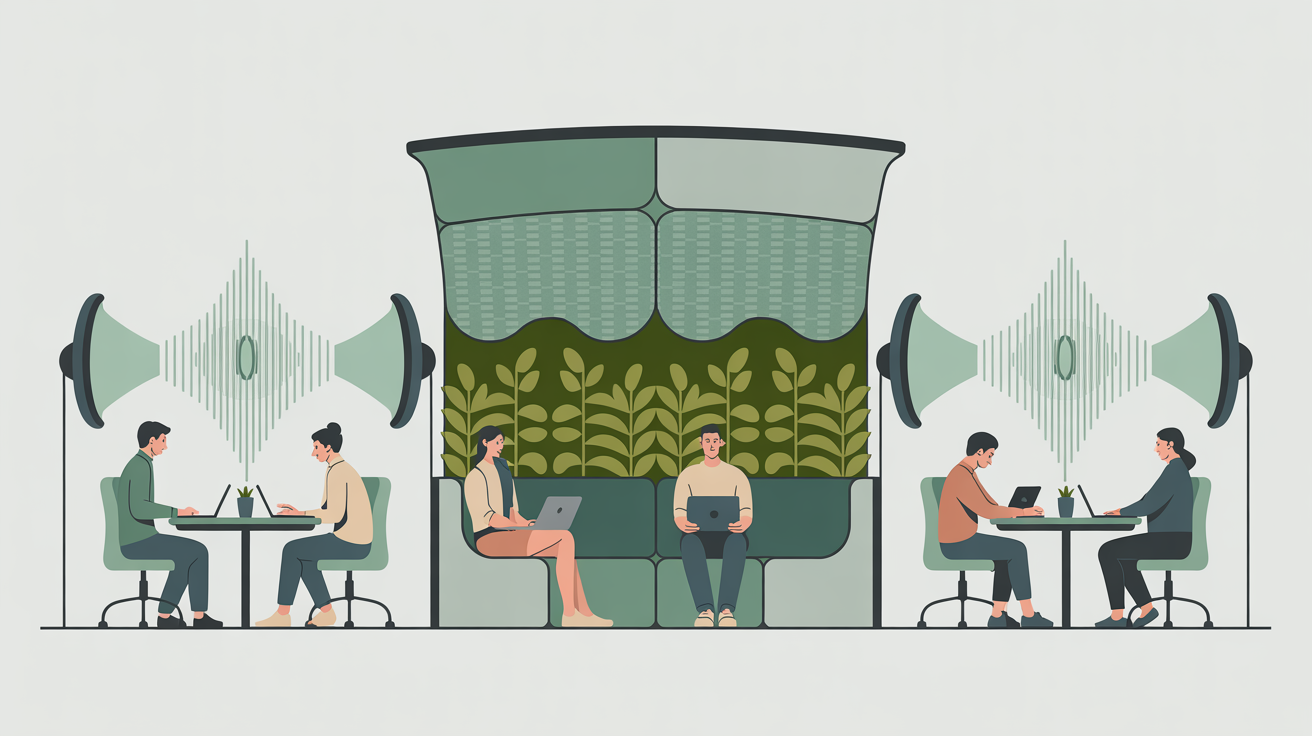
- Integrating sound-enhancing features like directional speakers, ambient sound systems, or noise-masking elements (plants, textiles, furniture)
Co-designing with users to understand what it means for them to have comfortable and calming sound. Successful implementations show that strategic acoustic design can transform workspaces into havens of productivity, with documented improvements in focus and stress reduction. In workplaces, that might include soundproofed phone booths next to vibrant collaboration areas. In residential design, it might mean sound cues for community events, or acoustic partitions to balance privacy and socials.
Objections & Opportunities
Some will say: "Isn't silence just safer?" Not always. In many environments, overly quiet spaces increase distraction, because small sounds (a cough, a door creak) may stand out. A comprehensive study found that employees want a workspace free from distractions above anything else, yet office acoustics were last on designers' considerations when developing offices. Some people may think that designing with the thought of noise is too expensive or complicated. But small changes can make a massive difference. Moreover, acoustic comfort isn’t a luxury. It’s a matter of health, belonging, and effectiveness. Poor sound design can lead to missed information, isolation, or even chronic stress. Studies reveal that over 52% of employees have trouble concentrating amid office noise pollution, with significant impacts on both productivity and wellbeing. Good sound design, on the other hand, enhances equity, experience, and usability. Research demonstrates the ROI of audio inclusive design through measurable improvements in productivity and satisfaction, with acoustic comfort largely determined by individual noise sensitivity.
Designing for Belonging
When we design with sound in mind, we design for humanity. We recognise that people live, work, learn, and heal in dynamic soundscapes. Embracing noise-friendly environments means embracing the full spectrum of human experience, from focus to conversation, from rest to celebration. So, the next time you walk into a space, ask yourself not just how it looks or feels, but how it sounds. That answer may determine whether someone feels like they belong.
Call to Action
At Sownd Affects, we're pioneering what noise-friendly design can look like across architecture, wellness, and equity through our proven business case for acoustic improvements. If you’re ready to rethink how your spaces sound, and feel, let’s talk. Because designing for sound is designing for life.